
Role of ISO Standards in Certification in the Industrial City of Abu Dhabi Free Zone
The Industrial City of Abu Dhabi Free Zone is one of the leading industrial hubs in the UAE, offering a strategic location, world-class infrastructure, and excellent business incentives. For companies operating in sectors such as manufacturing, logistics, chemicals, and high-tech industries, ICAD provides a conducive environment for growth and international trade. As a recognized certification body, we understand the importance of adhering to global standards like ISO to enhance operational efficiency, meet international regulatory requirements, and foster trust among stakeholders.
In this blog, we will explore the advantages and scope of the Industrial City of Abu Dhabi Free Zone and discuss how businesses operating there can benefit from ISO certifications such as ISO 9001, ISO 14001, and ISO 45001.
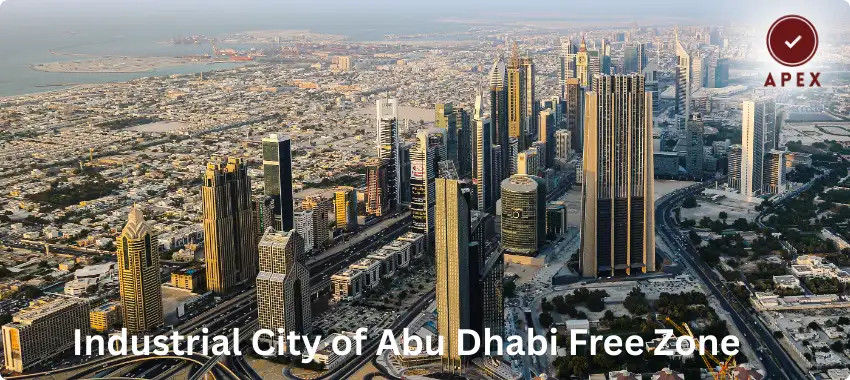
Why Choose the Industrial City of Abu Dhabi Free Zone?
It offers numerous advantages that make it an attractive destination for companies across various industries. Here are some key benefits:
1. Strategic Location
It is strategically located with easy access to Khalifa Port, the Abu Dhabi International Airport, and major highways. This makes it an ideal location for businesses involved in manufacturing, logistics, and international trade.
2. World-Class Infrastructure
The free zone is equipped with state-of-the-art facilities and infrastructure, including modern industrial plots, warehouses, and offices. Businesses can access utilities like water, electricity, and telecommunications services, all essential for smooth operations.
3. Tax and Financial Incentives
It offers a range of financial incentives, including 100% foreign ownership, 0% corporate and personal income tax, and full repatriation of profits. These incentives provide businesses with the opportunity to maximize their financial performance and reinvest in growth.
4. Industrial Clusters
It is divided into various industrial clusters that cater to specific sectors, including heavy manufacturing, chemicals, and high-tech industries. This specialization ensures that businesses have access to the right resources and networks to thrive in their respective fields.
5. Business-Friendly Environment
The process for setting up a business here is straightforward, with minimal bureaucratic hurdles. Additionally, businesses benefit from flexible regulations and policies that support growth and innovation.
Scope of Industries in ICAD
It is home to a wide range of industries, and its specialized clusters cater to specific business needs. The free zone supports industries such as:
- Manufacturing: Heavy and light industries, including steel, automotive, and machinery.
- Logistics: Warehousing, distribution, and supply chain management.
- Chemicals & Plastics: Chemical production and related industries.
- Oil & Gas: Services and supply chains related to the oil and gas sector.
- High-Tech & Advanced Manufacturing: Cutting-edge industries such as electronics, IT, and renewable energy.
This diverse scope provides a range of opportunities for businesses to set up operations, expand their market presence, and align with Abu Dhabi’s economic diversification plans.
The Importance of ISO Certifications for ICAD-Based Businesses
Operating in a competitive global market requires businesses to adhere to internationally recognized standards. ISO certifications are key to ensuring that your organization meets the highest standards of quality, environmental responsibility, and occupational health and safety. In ICAD, where industrial operations are central to the business landscape, ISO certifications such as ISO 9001, ISO 14001, and ISO 45001 are particularly valuable.
ISO 9001: Quality Management System (QMS)
ISO 9001 is the global standard for quality management systems. It ensures that businesses consistently meet customer requirements, improve efficiency, and reduce waste. For manufacturers and service providers, ISO 9001 certification not only improves operational performance but also enhances brand reputation, giving you a competitive edge in local and international markets.
ISO 14001: Environmental Management System (EMS)
ISO 14001 provides a framework for businesses to manage their environmental impact. In this region, where industries such as chemicals and manufacturing play a significant role, ISO 14001 certification helps businesses reduce waste, optimize resource usage, and comply with environmental regulations. This certification demonstrates your commitment to sustainability and helps mitigate risks associated with environmental impact.
ISO 45001: Occupational Health and Safety Management System (OHSMS)
ISO 45001 focuses on creating a safe and healthy workplace. For companies in heavy industries or those involved in hazardous operations in ICAD, ISO 45001 is crucial for identifying and managing workplace risks. It ensures that companies implement proactive measures to protect their employees and minimize occupational hazards. Achieving ISO 45001 certification not only ensures compliance but also fosters a culture of safety, boosting employee morale and reducing the likelihood of accidents.
How ISO Certifications Support Businesses in ICAD
For companies here, obtaining ISO certifications can provide significant advantages. Here's how ISO standards can support business growth and sustainability:
1. Improved Operational Efficiency
ISO certifications streamline processes, eliminate inefficiencies, and create standard operating procedures. This results in improved productivity and reduced operational costs, which is crucial for businesses looking to scale and optimize their operations.
2. Increased Customer Confidence
ISO certifications demonstrate a commitment to quality, safety, and sustainability. By obtaining ISO certification, businesses can build trust with customers, suppliers, and partners, which is essential for long-term success and market competitiveness.
3. Access to New Markets
ISO-certified companies gain access to new markets, both locally and internationally. Many global customers and partners require ISO certifications as a condition of doing business, so obtaining these certifications opens up new business opportunities and helps companies meet regulatory requirements across different regions.
4. Risk Mitigation
ISO standards help businesses identify and manage risks effectively. By implementing ISO 9001, ISO 14001, and ISO 45001, companies can address potential operational, environmental, and safety risks, ensuring business continuity and long-term success.
5. Compliance with Regulatory Requirements
ISO certifications help businesses stay compliant with local and international regulations. Adhering to environmental and safety regulations is essential, and ISO certifications provide a structured approach to meeting these requirements.
Conclusion
The Industrial City of Abu Dhabi Free Zone offers numerous advantages to businesses, with its strategic location, world-class infrastructure, and favorable business environment. For companies operating in industries such as manufacturing, logistics, chemicals, and high-tech, obtaining ISO certifications like ISO 9001, ISO 14001, and ISO 45001 is essential to ensuring compliance, enhancing operational efficiency, and gaining a competitive edge.
As a recognized certification body, we are committed to helping businesses in ICAD achieve ISO certification and maintain the highest standards of quality, safety, and sustainability. If you are a company looking to obtain ISO certification in UAE, Abu Dhabi, we are here to guide you through the certification process and help you unlock the full potential of your business.
Frequently Asked Questions (FAQs)
1. What is the Industrial City of Abu Dhabi Free Zone?
It is strategically located industrial hub in Abu Dhabi offering world-class infrastructure, tax incentives, and easy access to logistics networks. It is designed to support industries such as manufacturing, chemicals, logistics, and high-tech sectors.
2. What industries can set up businesses here?
It supports a diverse range of industries including manufacturing, logistics, chemicals, plastics, oil and gas services, and high-tech industries like electronics and renewable energy.
3. What are the benefits of setting up a business here?
Key benefits include 100% foreign ownership, tax exemptions, access to a strategic location near major ports and airports, purpose-built industrial facilities, and a business-friendly regulatory environment.
4. How can ISO certification help businesses in ICAD?
ISO certifications like ISO 9001 (Quality Management), ISO 14001 (Environmental Management), and ISO 45001 (Occupational Health and Safety) help businesses improve operational efficiency, ensure compliance with regulations, and enhance customer confidence.
5. What is ISO 9001, and why is it important for ICAD-based businesses?
ISO 9001 is the international standard for Quality Management Systems (QMS). It helps standardize operations, reduce waste, improve product quality, and increase customer satisfaction, leading to competitive advantages.
6. What does ISO 14001 certification mean for businesses in ICAD?
ISO 14001 focuses on Environmental Management Systems (EMS). It helps to reduce environmental impact, improve resource efficiency, and ensure compliance with environmental regulations.
7. How does ISO 45001 contribute to workplace safety in ICAD?
ISO 45001 provides a framework for managing workplace health and safety, particularly those in manufacturing and high-risk industries, benefit from ISO 45001 by reducing workplace accidents and ensuring a safer working environment.
8. How long does it take to get ISO certification for businesses in ICAD?
The duration depends on the company’s readiness and the complexity of the systems in place. Typically, it takes 3 to 6 months to implement ISO standards and achieve certification.
9. Can small businesses in ICAD benefit from ISO certifications?
Yes, businesses of all sizes can benefit from ISO certifications. ISO standards provide a scalable approach to improving quality, safety, and environmental performance, making them valuable for both small and large enterprises.
10. How can I get ISO certification for my business?
To obtain ISO certification, you will need to work with a recognized certification body like Apex SC. The process typically includes gap analysis, system implementation, internal audits, and a final audit for certification. We are here to guide you through each step.
- Food Safety with ISO standards
- How ISO Certifications Help in UAE vision 2030
- Role of ISO Consultants and Certification Bodies
- Who Accredits Certification Bodies?
- Standards of Halal certification
- Why ISO 45001 Replaces ISO 18001?
- ISO Trainings and their Benefits
- Which Sectors implement ISO 9001
- Industrial City of Abu Dhabi Free Zone
