
Why Workplace Injuries Still Happen — Common Causes, Real Statistics, and the Case for Safety Certification
Workplace safety should never be overlooked. Yet, despite years of awareness efforts, millions of workers are still hurt or killed on the job every year — often from entirely preventable causes. Understanding why these injuries happen is the first step toward building safer workplaces and stronger safety systems.
The Global Reality: Workplace Injuries by the Numbers
Work-related injuries and deaths are shockingly common worldwide:
- According to the International Labor Organization (ILO), there are around 2.3 million work-related deaths each year, including accidents and diseases, and hundreds of millions of non-fatal injuries that affect workers’ lives and families. This global figure becomes more relatable when considering high-risk industries like construction, which alone accounts for a significant percentage of these fatalities.
- Globally, occupational accidents cause roughly 270 million workplace accidents annually.
- Falls alone contribute massively to injury figures: In 2021–2022, more than 129,000 cases of serious fall injuries were reported in a single country’s data.
- These numbers underline one simple truth: workplace injuries are not rare — they are widespread and frequently avoidable.
What Are the Most Common Causes of Workplace Injuries?
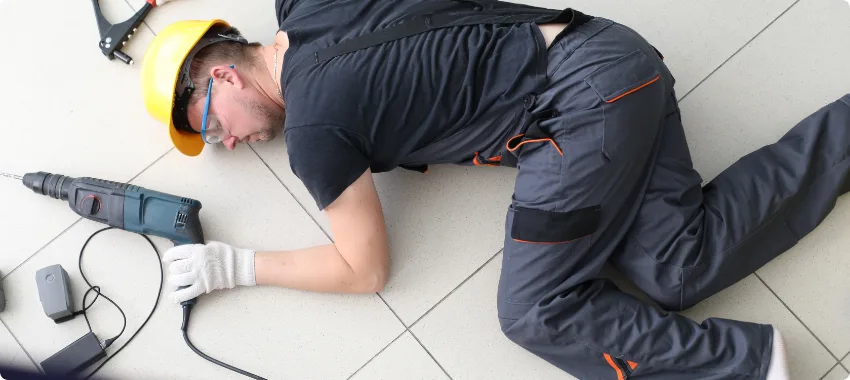
1. Slips, Trips, and Falls — The Leading Cause
Slips, trips, and falls are consistently at the top of workplace injury charts:
- In the UK, these accidents accounted for about 32% of all reported non-fatal workplace injuries.
- Falls are a leading cause of severe injury and death — especially in construction — and can happen both on the same level (e.g., tripping over obstacles) or from heights like scaffolds and ladders.
Common reasons include wet or uneven floors, inadequate lighting, lack of barriers, poor housekeeping, and faulty or missing equipment.
Why it matters: Simple measures like good housekeeping, clear walkways, proper footwear, and fall-prevention systems can prevent a significant percentage of these injuries.2. Manual Handling — Lifting, Pushing, and Overexertion
Heavy lifting and incorrect handling techniques are a major cause of musculoskeletal injuries:
- According to Keevee, around 29% of workplace injuries stem from overexertion, including lifting, pushing, pulling, or carrying loads.
Injuries from poor lifting techniques can include back strains, muscle tears, and long-term joint problems — and they often occur because workers have not been properly trained or because mechanical aids are unavailable.
3. Contact with Equipment and Objects
Being struck by or caught in machinery, tools, or falling objects is a common cause of severe injury:
- Contact incidents account for roughly 10% of workplace injuries.
- These incidents often occur in environments where equipment is heavy, in motion, or inadequately guarded. Lack of PPE, poor risk assessment, and inadequate machine safeguards are frequent contributors.
To address these issues systematically, organizations can apply the hierarchy of controls: eliminate hazards where possible, substitute with less hazardous options, implement engineering controls to protect workers, establish administrative controls to improve workplace practices, and ensure all employees use the appropriate PPE.
4. Hazardous Substances and Environmental Risks
Exposure to chemicals, toxic fumes, and harmful substances can lead to acute injuries or long-term illnesses:
- Exposure injuries can include burns, respiratory disorders, and long-term health conditions.
- Industries such as manufacturing, cleaning services, and laboratories are particularly vulnerable.
5. Inadequate Training and Safety Awareness
A consistent theme across injury causes is a lack of training. When workers are not taught how to recognize hazards, operate equipment safely, or respond to risks, injuries become far more likely.
6. Poor Housekeeping and Workplace Maintenance
Unclear walkways, cluttered workspaces, loose cables, and unattended spills may seem like small issues — but they significantly increase the risk of slips, trips, and falls.
7. Worker Fatigue and Stress
Long working hours, lack of rest breaks, and mental stress reduce alertness and increase the risk of accidents. Fatigue has been linked to slower reaction times and poor decision-making — both common contributors to workplace accidents.
Why Do These Injuries Matter?
Workplace injuries affect far more than workers — they affect families, communities, and businesses:
- Injuries can result in long medical treatments, lost income, workers' compensation costs, and reduced productivity.
- Employers may face legal penalties, reputational damage, and hiring challenges if safety is neglected.
A safe workplace isn’t just ethical — it’s good business.
The Role of Safety Management Systems and Certification
This is where structured safety standards and certifications come into play. ISO 45001, for instance, serves as a globally recognized guide to creating safer workplaces. Think of it as a playbook that helps spot hazards and prevent them from harming people. Breaking complex safety practices into actionable steps makes safety management more accessible and less bureaucratic.
Benefits of Safety Certification
- Systematic risk identification: Helps organizations anticipate hazards before they cause harm.
- Consistent training and awareness programs: Ensure every worker knows how to work safely.
- Standardized procedures: Reduce guesswork and safety gaps.
- Continuous improvement: Regular reviews and updates help adapt to new risks.
A certified safety system builds a culture that prevents harm by encouraging organizations to actively engage in safety protocols and measures. This proactive approach shifts the focus from waiting for accidents to happen to implementing strategies that stop them before they occur.
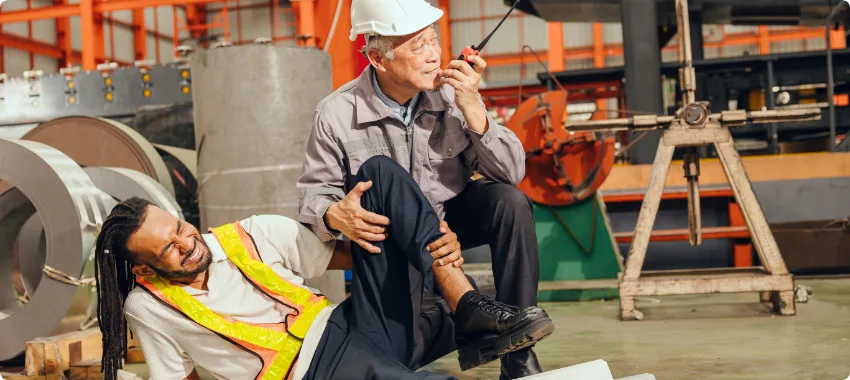
Why is Workplace Safety Important?
Workplace safety isn't just about protecting employees — it's about fostering a healthy, productive, and sustainable environment. Safe work environments lead to:
- Higher employee morale and retention
- Fewer absences and medical claims
- Improved productivity and operational efficiency
- Positive public perception and enhanced brand reputation
How to Avoid Workplace Injuries?
Avoiding workplace injuries requires a comprehensive approach:
- Implementing strict safety protocols and training programs
- Regular safety audits and hazard assessments
- Encouraging worker involvement and feedback
- Promoting wellness programs to manage stress and fatigue
- Ensuring proper use of PPE and safe machinery operation
Final Thoughts
Workplace injuries remain a critical challenge worldwide due to predictable and preventable causes. But with real data, clear awareness, and effective safety systems like ISO 45001, organizations can make a real difference.
Safety certification isn’t just a badge — it’s a commitment to protecting lives and building stronger, more resilient workplaces. If your organization hasn’t taken workplace safety seriously yet, today is the day to act.
A safer workplace benefits everyone.
- Food Safety with ISO standards
- How ISO Certifications Help in UAE vision 2030
- Role of ISO Consultants and Certification Bodies
- Who Accredits Certification Bodies?
- Standards of Halal certification
- Why ISO 45001 Replaces ISO 18001?
- ISO Trainings and their Benefits
- Which Sectors implement ISO 9001
- Industrial City of Abu Dhabi Free Zone
